Why slab leak reroute Merced Homeowners Prefer Bypass Solutions
When faced with an under-slab pipe failure, many homeowners envision loud jackhammers tearing up their living rooms, thick dust coating every surface, and destroyed custom flooring that can never be matched. Fortunately, modern plumbing engineering provides a far superior alternative: the precision pipe reroute.
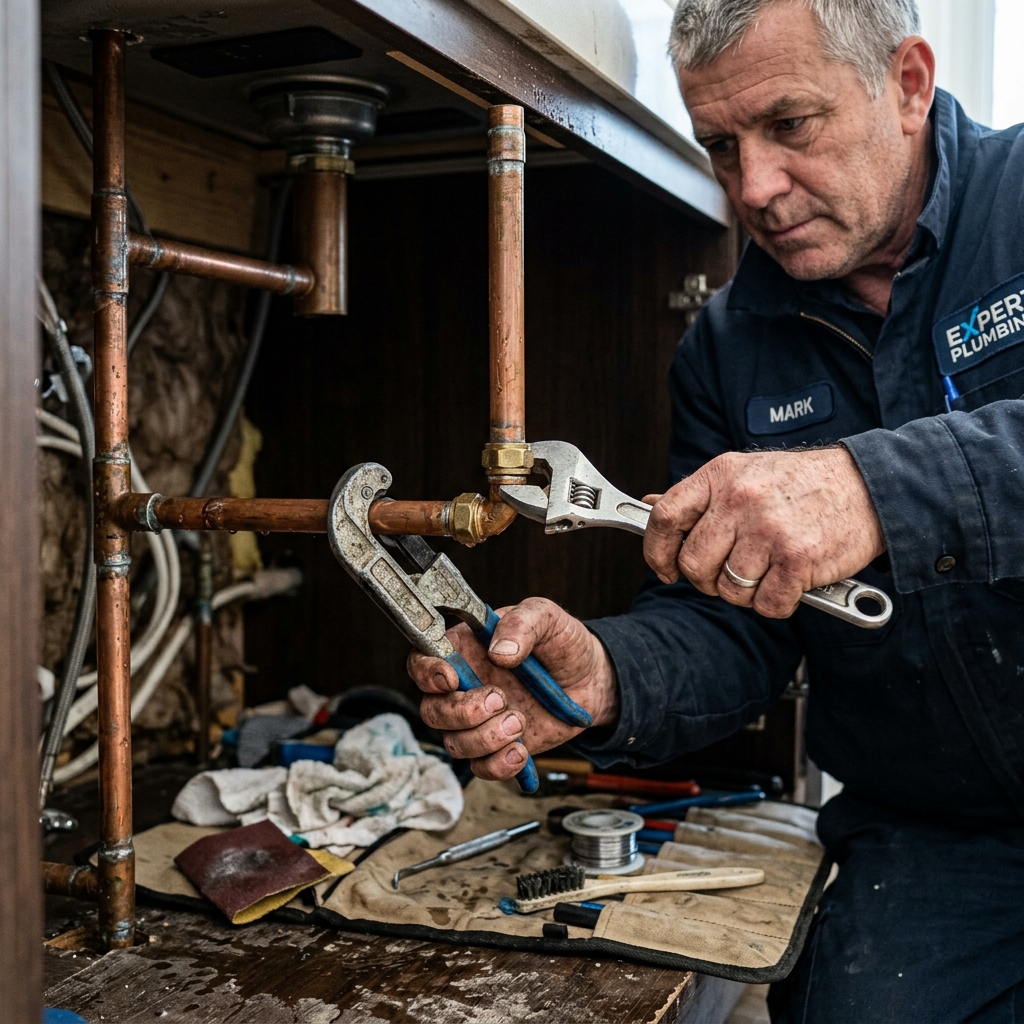
Instead of cutting into your home's structural concrete foundation, a technician performs an overhead bypass. By opting to re-route water line Merced homes remain clean, structural integrity remains intact, and future slab leaks on that supply run are permanently eliminated. When considering overall slab leak repair in Merced, rerouting is consistently the cleanest and most cost-effective path.
When Rerouting Beats Jackhammering the Slab
Jackhammering through a concrete slab introduces serious risks. If your home features post-tension cables, cutting into the concrete can sever high-tension steel tendons with catastrophic structural consequences. Furthermore, jackhammering creates invasive silica dust, requires expensive flooring replacement, and leaves the remaining decades-old copper pipe buried under the ground where another leak can develop just inches away.
Choosing to bypass slab leak Merced water lines is strongly recommended under the following conditions:
When an Overhead Reroute Is the Best Strategy
- Expensive or Irreplaceable Flooring: You have continuous tile, imported marble, or premium hardwood floors that cannot be seamlessly patched.
- Inaccessible Leak Coordinates: The leak is situated beneath load-bearing structural walls, built-in kitchen cabinetry, or high-end bathroom stone work.
- Post-Tension Foundation Slabs: Your home is built on an engineered post-tension slab where concrete cutting is dangerous or prohibited by local engineering codes.
- History of Previous Slab Leaks: If this is your second or third under-slab leak, spot repairing is a waste of money because the copper network is failing system-wide.
Considering a Pipe Reroute in Merced?
Don't destroy your flooring before exploring non-invasive bypass options. Speak with an experienced local plumber by phone today.
How an Overhead Reroute Works Step by Step
A professional reroute follows an engineered installation sequence designed to minimize disruption to your everyday routine:
1. Locating the Manifolds
Using data from prior slab leak detection, the plumber identifies the primary source manifold (such as the water heater or main line entry) and the terminal fixture manifold where the leaking branch connects.
2. Abandoning the Failed Line
The leaking subterranean copper pipe is disconnected at both ends and capped permanently with mechanical or brazed fittings. The old pipe remains buried harmlessly beneath the foundation, completely drained of pressure.
3. Installing New Overhead Lines
Technicians thread flexible, expansion-resistant PEX tubing or type L copper through interior stud cavities and attic crawlspaces. Choosing to reroute pipes through attic Merced framing allows seamless, joint-free runs straight from the source to the target fixture.
4. Pressure Testing and Connection
The new overhead line is pressure-tested at working pressures to guarantee leak-free joints before being integrated into your domestic water delivery system.
Protecting Attic Lines from Merced Summer Heat and Winter Freezes
Merced experiences extreme seasonal weather: blazing Central Valley summer temperatures exceeding one hundred degrees, paired with winter overnight lows dropping near freezing. Running water pipes through an unconditioned attic space requires careful engineering:
- Heavy-Duty Closed-Cell Foam Insulation: All overhead PEX and copper lines are fully encased in high-density closed-cell insulation sleeves to prevent winter freezing and prevent cold tap water from warming during scorching summer afternoons.
- Securing to Rafters and Joists: Pipes are clamped with specialized sound-dampening suspension hangers that allow natural thermal movement without knocking against drywall studs.
- Sub-Insulation Routing: Wherever possible, lines are routed directly beneath the blown-in attic fiberglass insulation, keeping them inside the conditioned thermal envelope of the residence.
Drywall Access, Patching, and Permitting in Merced
Homeowners frequently ask how much drywall cutting is involved. Unlike concrete excavation, drywall cuts are surgical and cleanly contained. Plumbers cut small inspection openings (typically 6x6 or 8x8 inches) behind cabinets, in closet interiors, or near baseboards to fish the new lines.
Most single-line reroutes are completed within a single working day. Water service is typically restored before the technicians leave. Furthermore, reputable local contractors handle the necessary municipal plumbing permits and inspection coordination with the City of Merced Building Division, ensuring your repair adheres strictly to the California Plumbing Code.
If your home has suffered multiple leaks throughout the house, learn about our comprehensive whole-house repiping options or investigate pinhole leak repair strategies.
Frequently Asked Questions About Slab Leak Reroutes
How long does an overhead slab leak reroute take?
Most residential single-line reroutes are completed in one to two days, with running water restored by the end of the first day.
Will an overhead PEX line make noise when water is running?
No. Modern PEX installations use insulated suspension clips and water hammer arrestors to ensure silent, vibration-free water delivery.
Does homeowners insurance pay for a pipe reroute?
While policies rarely cover the pipe itself, many insurers provide an allowance toward the reroute up to the estimated cost of exploratory concrete tear-out. Learn more on our insurance information page.
Discuss a Slab Leak Reroute for Your Merced Home
Protect your slab and flooring with a clean, overhead bypass. Call our local phone dispatch to schedule service.